Design
We design the module layout, system size and technology to suit your roof and electricity consumption.
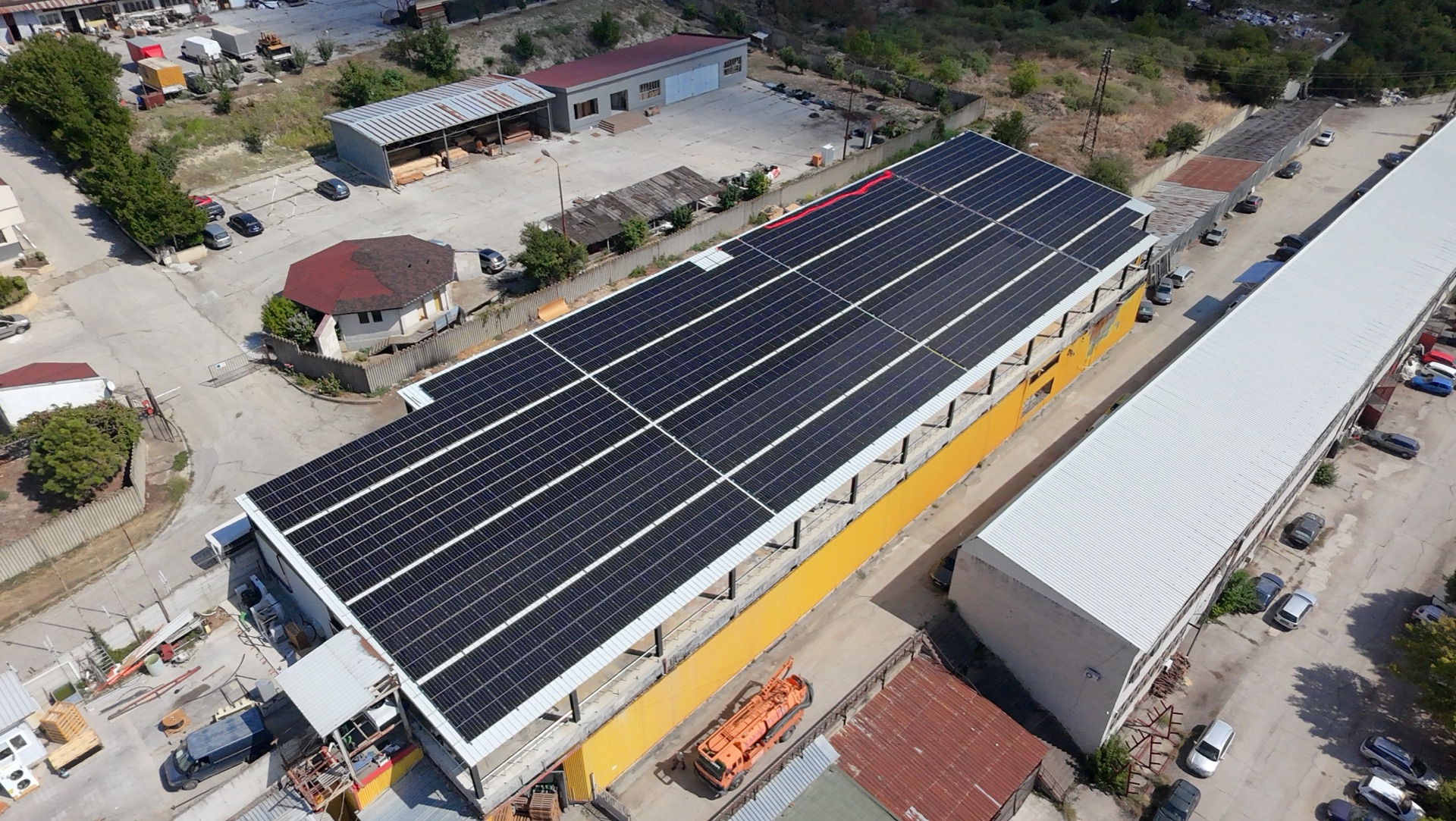
With your own rooftop system, you reduce your electricity costs. We design the system, build it and connect it to the grid.
We clarify whether your roof is suitable in the first conversation.
If your roof is not suitable, we tell you during the initial assessment rather than after preparing a quotation.
We assess your roof using satellite imagery and estimate layout and system size. This is free and non-binding.
We inspect the roof, its condition and the grid connection on site. If the connection is complex, an electrical engineer joins us.
You receive a quotation with system size, technology and price based on your data.
Our installation team builds the system, connects it to the grid and hands it over to you.
You have one point of contact for the entire project, from the first look at the roof through to commissioning.
We design the module layout, system size and technology to suit your roof and electricity consumption.
We design the grid connection and prepare the documentation required for the plant certificate.
Our own installation team builds the system.
We commission the system and hand it over with the required documentation.
Enter roof size, consumption and electricity price to see an immediate, non-binding estimate. We calculate the exact case with you during the appointment.
Please correct the highlighted entries so we can calculate.
49,163 €Benefit per year (savings plus surplus revenue)
Note: The system produces more electricity than you consume. Self-consumption is therefore capped at your annual consumption.
Non-binding estimate. The exact calculation for your roof follows in the appointment, using your load data and the actual module layout.
Assumptions and sources (retrieved 20 Oct 2026). Yield: PVGIS of the European Commission (JRC), Frankfurt am Main, database SARAH3, 14 % system losses. 1 kWp yields about 1,018 kWh per year at 15° tilt facing south and about 902 kWh at 10° east-west. The default of 950 kWh/kWp is a conservative midpoint. CO₂: German Environment Agency (UBA), 344 g per kWh for the 2025 German grid mix. Surplus: annual market value solar 2025 of 4.508 ct/kWh (netztransparenz.de); the EEG feed-in tariff for 40 to 100 kWp is 5.44 ct/kWh for commissioning from 08/2026 (Bundesnetzagentur). Self-consumption share (60 %) and capacity per m² (0.15 kWp) are BIKenergy assumptions without a public source. Not included: electricity price trends, degradation, maintenance, taxes, subsidies.
We check early whether your existing connection is sufficient. This determines how large your system can be and whether it is economically viable.

We review your grid connection during the on-site appointment. That way you know what is possible before receiving the quotation.
Depending on the system size, a plant certificate is mandatory. We prepare the documentation for it (Type A/B).
If the grid connection is complex, an electrical engineer joins the on-site appointment.
That depends on the federal state. In Hesse there is no obligation for existing commercial buildings. In Bavaria and Baden-Württemberg, however, a roof renovation can already trigger an obligation. New car parks are subject to separate requirements in Hesse, Rhineland-Palatinate and Baden-Württemberg, for example for solar carports.
Existing building: There is no obligation.
New build: There is no obligation for the building.
New car park: New open car parks with more than 50 spaces require a photovoltaic system above the parking spaces if the building application was submitted after 29 November 2023.
Existing building: There is no obligation to install a system.
New build: Commercial new buildings with more than 100 m² of usable floor area require a photovoltaic system on at least 60 percent of the suitable roof area. This has applied since 1 January 2023.
New car park: New open car parks with 50 or more spaces require a photovoltaic system above suitable parking spaces, for example as a solar carport. The system must cover at least 60 percent of the suitable parking area. Spaces directly alongside public roads are excluded.
Existing building: If the roof covering is completely renewed, a photovoltaic system has been mandatory since 1 January 2025.
New build: The obligation also applies to new non-residential buildings.
Existing building: If the roof is fundamentally renovated, a photovoltaic system has been mandatory since 1 January 2023.
New build: The obligation also applies to new non-residential buildings.
New car park: New open car parks with more than 35 spaces require a photovoltaic system, for example as a solar carport.
As of October 2026. This overview is a simplified summary and does not constitute legal advice. Exceptions and exemptions may apply. The competent building authority determines whether the obligation applies to your building. If you are planning a new build or roof renovation, ask us about it during the appointment.
Our team has built these rooftop systems for commercial businesses.
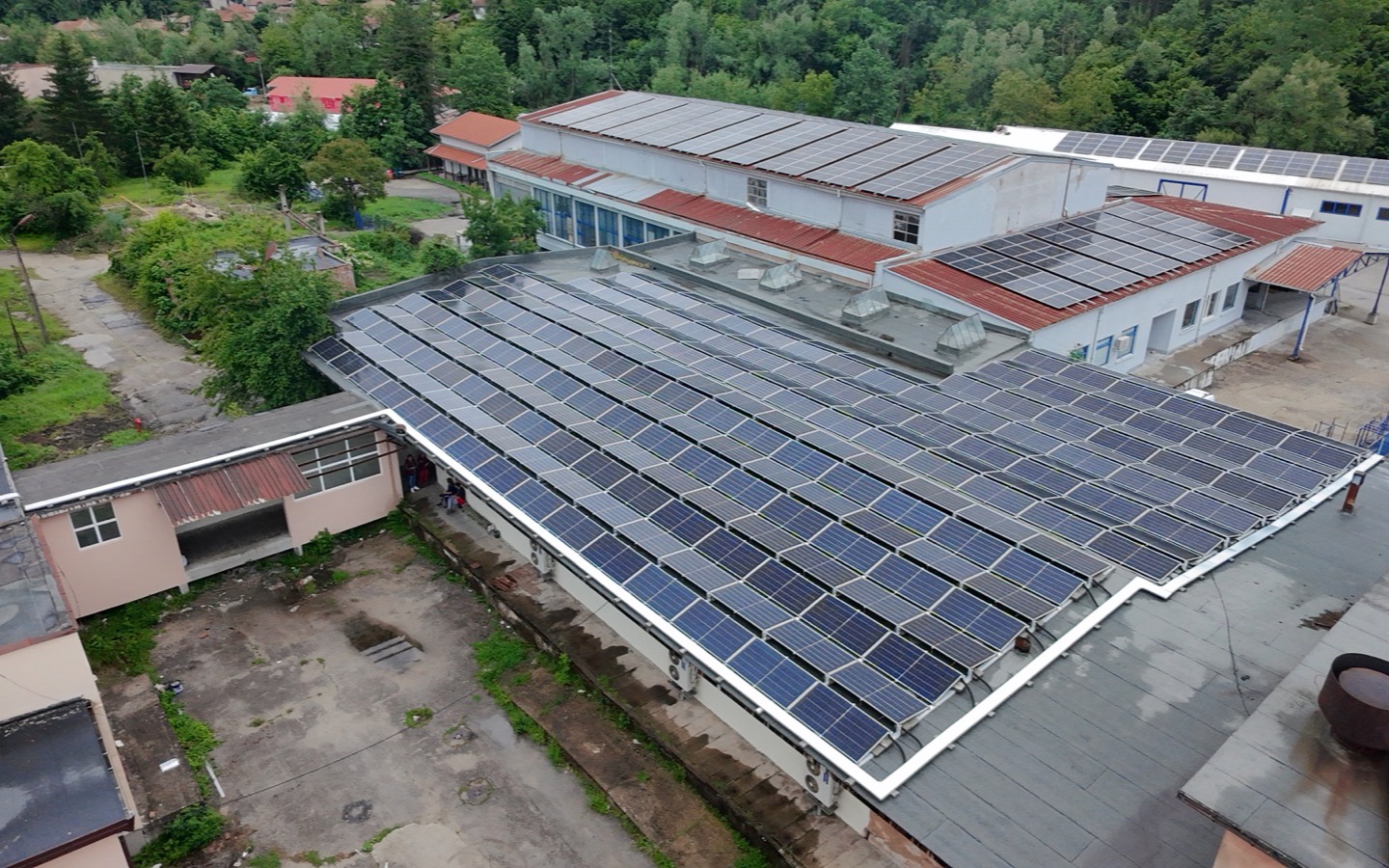 Commercial rooftop
Rooftop system, mainly south-facing
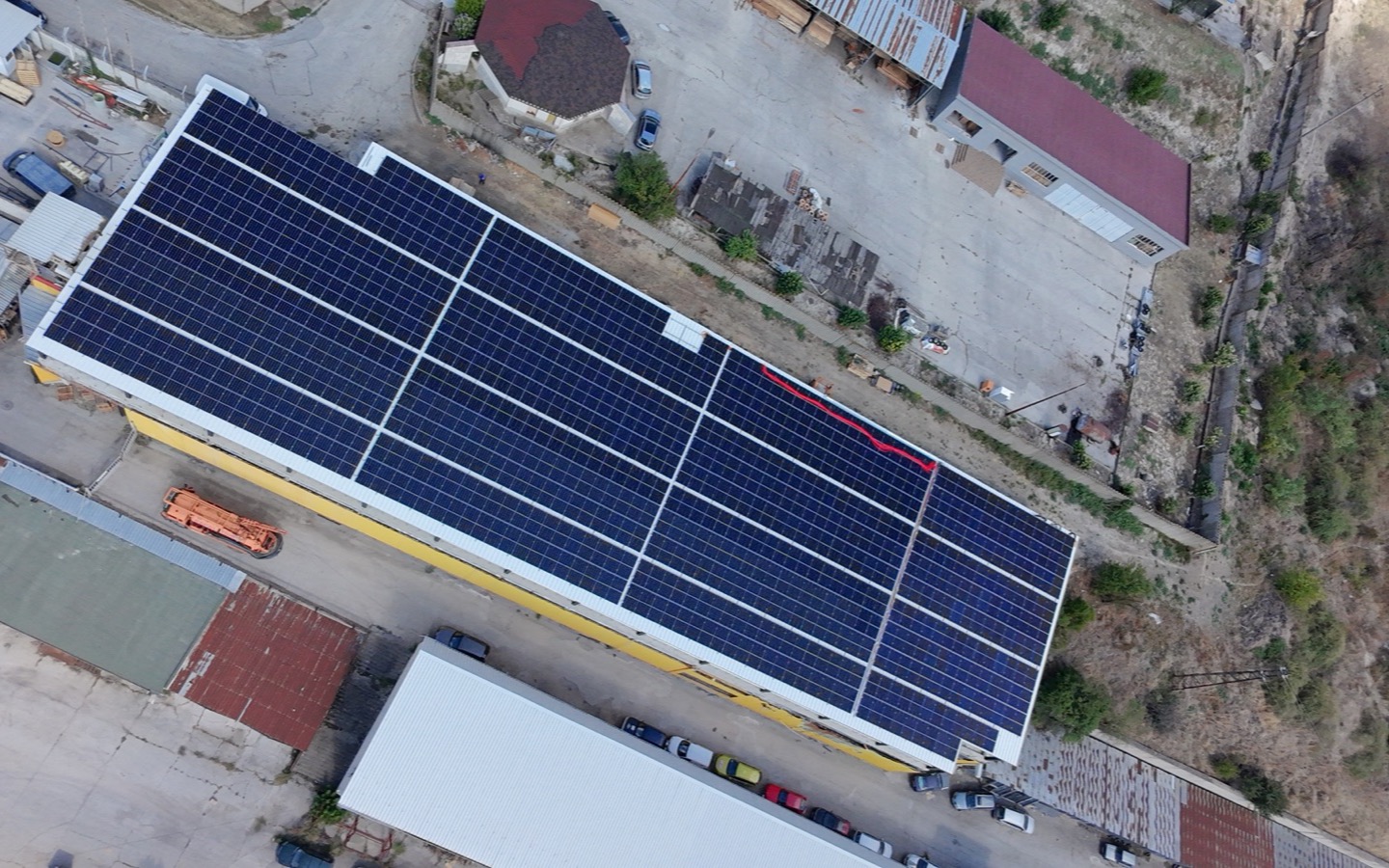 Commercial rooftop
Rooftop system with east-west orientation
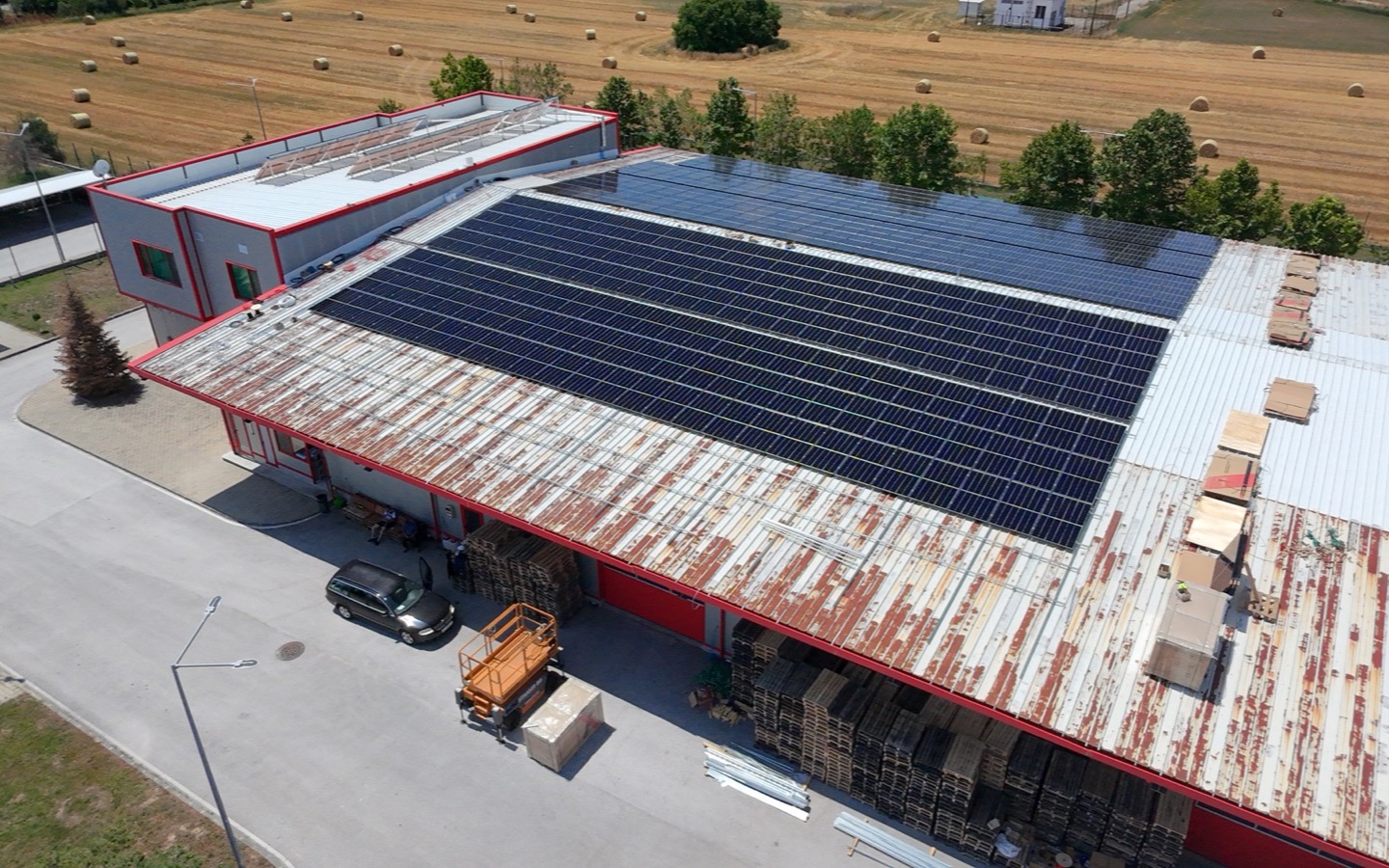 Commercial rooftop
Rooftop system with east-west orientation

Imanol Matanza Medina manages your project from the first conversation through to handover.
Book an appointment →
Valentin Michev has been building solar systems of all sizes across Europe for 17 years.
We support the grid-connection design and prepare the documentation for the plant certificate. Depending on system size, such a certificate is mandatory. We check early whether the existing connection is sufficient because it affects the economics of the project.
We clarify this with you during the on-site appointment by reviewing the roof structure, condition and documentation. A structural engineer ultimately confirms the load-bearing capacity. We tell you which documents are required.
No. A battery is optional. We assess whether it makes sense for your load profile using your consumption data.
We do not make promises about subsidies. Whether a subsidy or tax arrangement applies depends on your business and the timing. Please also clarify this with your tax adviser.
That depends on your roof, your consumption and your grid connection. We calculate it with your data during the appointment.
The initial assessment using satellite imagery is free and non-binding. We then tell you whether an on-site appointment is worthwhile.
We are based in Kriftel near Frankfurt am Main. We clarify in the first conversation whether we can take on your project.
Book your free initial assessment. Choose the appointment that suits you.
Book an appointment online →